
The Netflix Endgame
On the end of Netflix's carte blanche and the rise of the content machine

The Auteur Dream
Since 2015, Netflix has aggressively pitched itself as the ultimate paradise for auteurs. In a world where theatrical models became increasingly hostile to ambitious filmmakers, propping up only $200 million comic-book flicks or $5 million prestige indies, the original mid-budget film died.
Netflix swept in wearing its cape, offering directors the one superpower no other studio would: unlimited creative, financial, and structural control.
No notes. No windows. No strings attached.
And while that pitch won over some of Hollywood’s biggest directors, it was always a bet with a built-in expiration date.
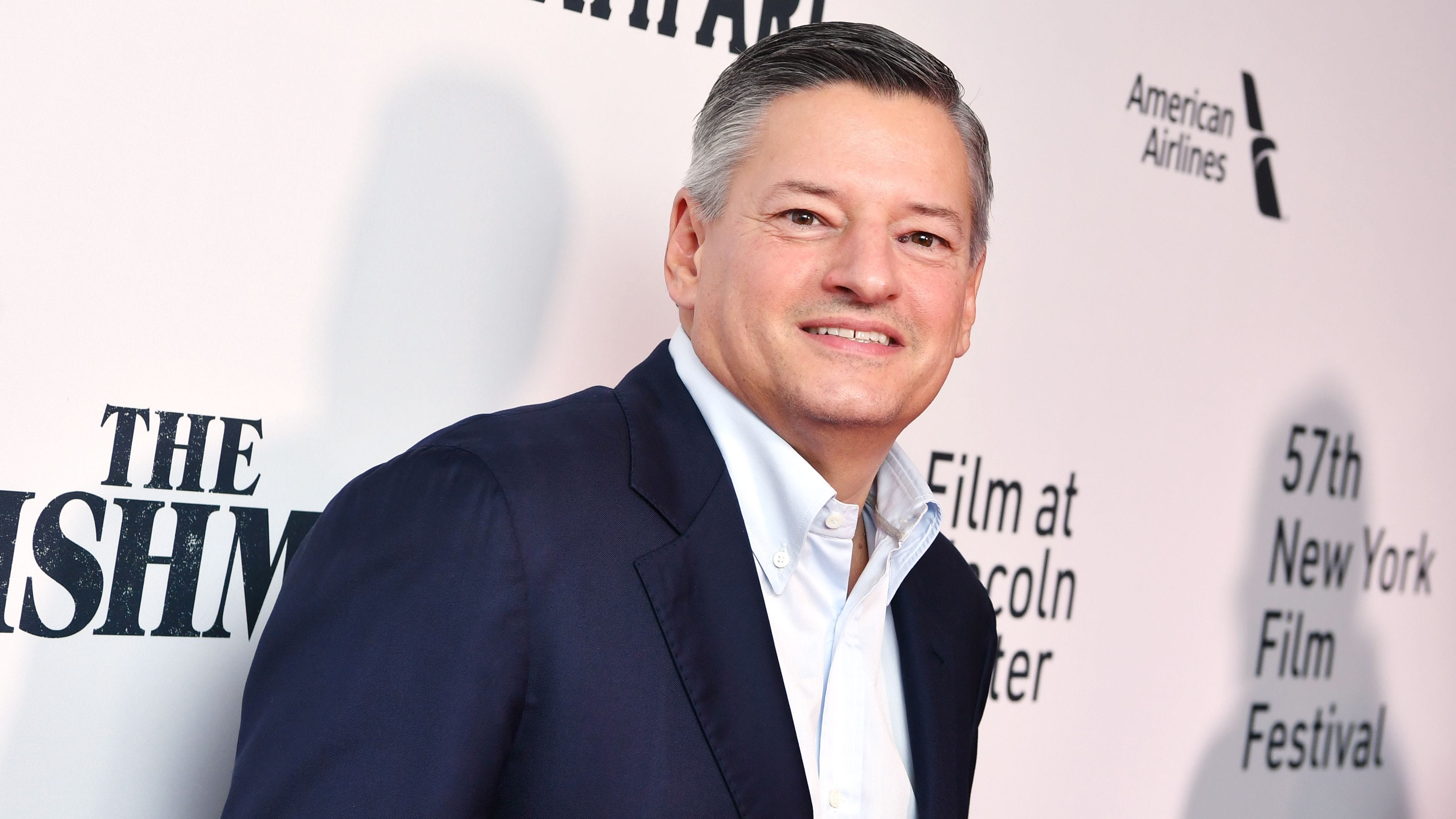
Netflix CEO Ted Sarandos never cared about the price tag on The Irishman. He wasn’t looking for short-term profits. He was buying disruption.
Under his leadership, Netflix behaved exactly like every successful tech startup before it: ignore margins to appease investors, burn cash to juice valuation, kill short-term health for exponential growth.
What made the arrangement work was precisely what made it temporary. Netflix needed prestige to legitimize itself, and auteurs needed a patron willing to fund what the studio system wouldn’t. For a window of time, both sides got exactly what they wanted.
But incentives don’t hold still, and every patron eventually wants a return. Once Netflix secured its legitimacy, it reverted to what it always was underneath the awards campaigning and the auteur co-signs.
A content, attention, and monetization-optimization machine.
The Prestige Migration
Netflix’s auteur origin story starts with Beasts of No Nation. Director Cary Fukunaga spent years pushing to make his uncompromising West African war film: a grim, seemingly unmarketable story about a child soldier’s descent into conflict.
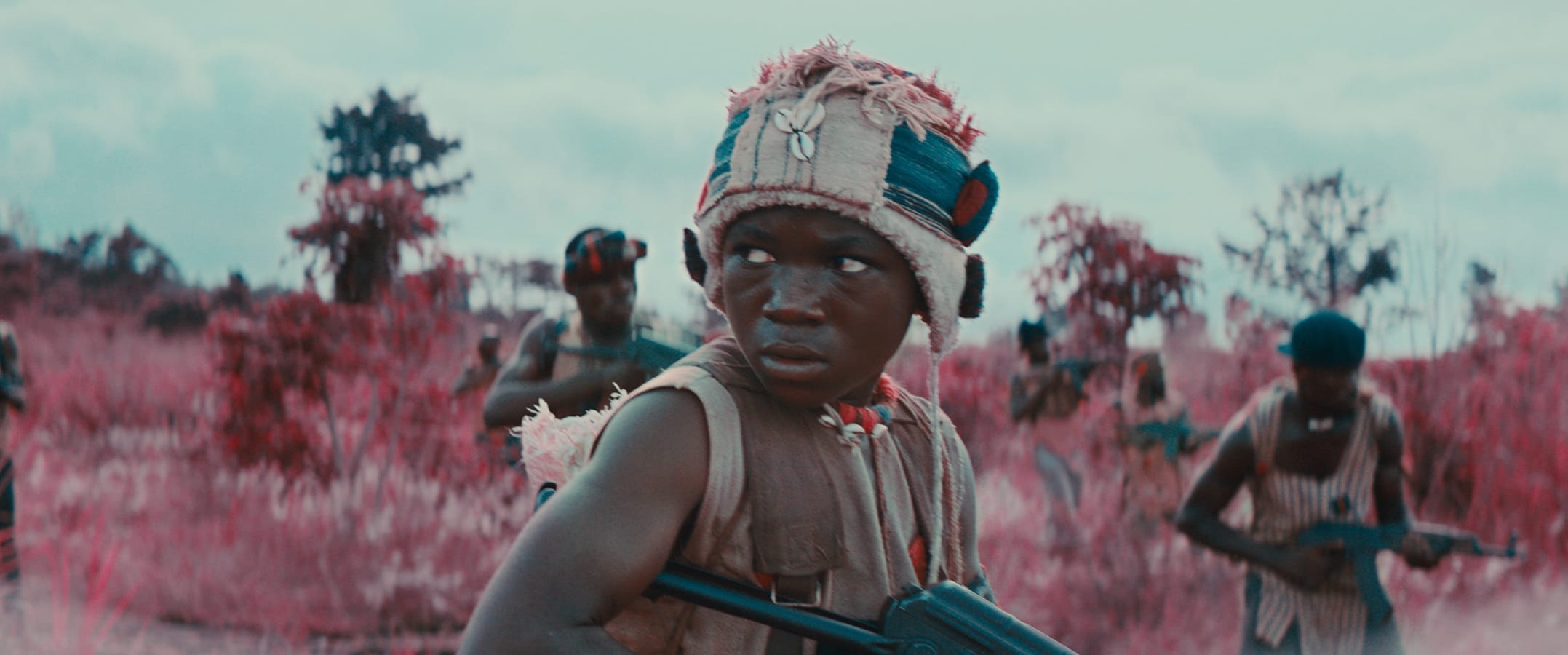
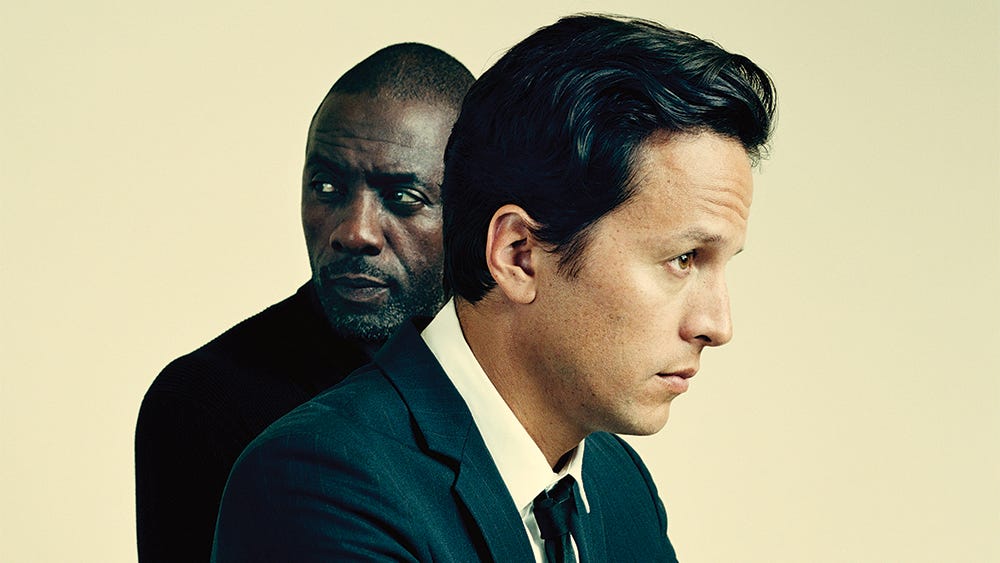
After the explosion of True Detective, he thought he finally had enough leverage to do it. Fukunaga shot in Ghana, hired non-actors, put kids through a months-long workshop, and operated the camera himself. It was the kind of obsessive, immersive project only an auteur would attempt.
And then the heartbreak. No one wanted to distribute it.
No marketable stars. Too violent. No theatrical upside.
Fukunaga had made his magnum opus for only $6 million and even brought Idris Elba along for the ride. The industry turned its back on it anyway.
Sarandos saw an opening. After years of being treated like Hollywood’s afterthought library, Netflix wanted out of the hand-me-down business and into the world of original, prestige filmmaking. Netflix bought Beasts of No Nation’s global streaming rights for $12 million, pushed for a day-and-date release, and the major theater chains immediately boycotted it for breaking the industry-standard 90-day theatrical window.
In hindsight, none of it mattered. Not even the infamous Academy Award snubs.
The backlash only amplified Netflix’s anti-establishment, creative-rockstar image. And with Beasts, Fukunaga unintentionally created the blueprint every auteur after him ended up following.
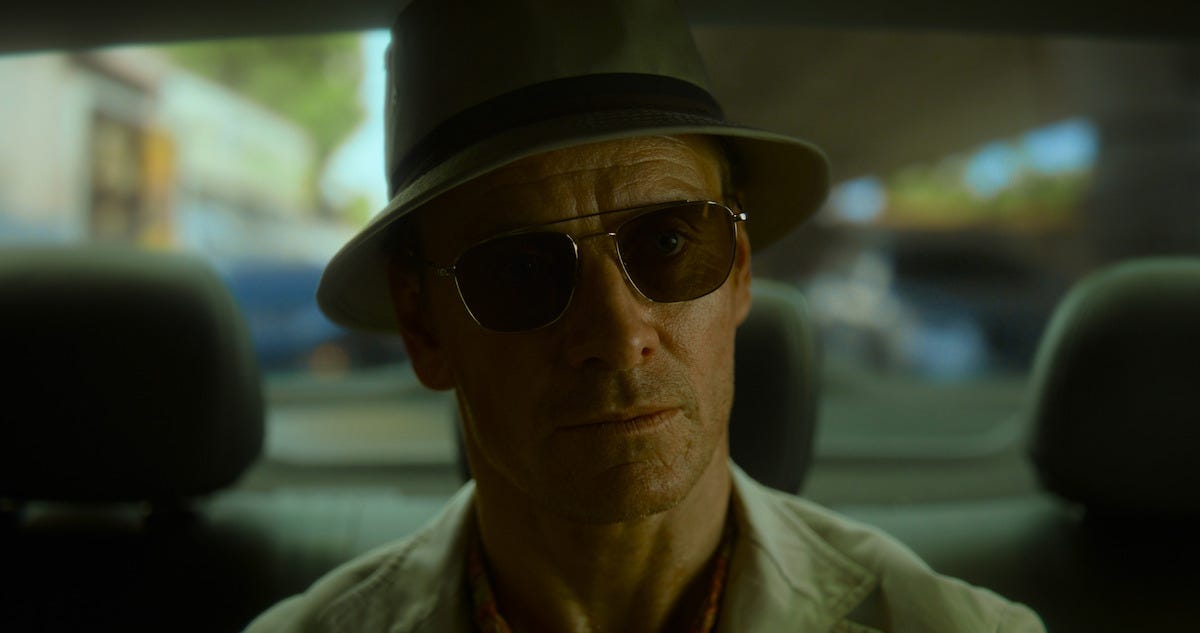
Fincher, frustrated by years of studio battles, found a patron in Netflix with Mindhunter and The Killer. Del Toro, after a decade of abandoned passion projects, suddenly saw Pinocchio and Frankenstein get fast-tracked. And Johnson, fresh off his crowd-pleasing original hit Knives Out, was handed $450 million for two sequels, an offer no studio in their right mind would ever say yes to.
Auteurs weren’t running toward Netflix as much as they were running away from a model that no longer funded mid-budget, original, bold ambition.
The Streaming Wars Are Over
Quite a bit has changed since Beasts of No Nation released on Netflix. The streaming wars of the late 2010s and early 2020s quietly burned themselves out. Every major studio built a streamer, sold a streamer, or panic-pivoted to content strategy, all chasing the same metrics.
Attention, retention, and hours-watched graphs that look good in shareholder decks.
And then, in early December, after months of speculation about an impending sale, Netflix struck a deal to acquire Warner Bros., one of the last remaining legacy giants. Once the home of Stanley Kubrick, Clint Eastwood, Christopher Nolan, the Burbank lots, the water tower, the soundstages, the whole DC mythos.

A hundred years of cinematic identity flattened into a tile on the Netflix homepage.
A studio. A brand. A history. Now an app.
Netflix isn’t competing with studios anymore. It’s competing with other apps.
With YouTube. With TikTok. With Instagram. With whatever else siphons your attention off your phone before bedtime.
Netflix, like any company, follows leverage. When it lacked prestige, it paid top dollar to acquire it. But now, with legacy studios absorbed into content supply chains and attention fully won, the calculus shifts. What once required a visionary director’s name on the poster now requires a completion rate above a threshold nobody outside the building can see.
The Algorithm Decides Now
Once theaters die, directors lose leverage. Once directors lose leverage, executives take over. It’s the oldest cycle in Hollywood, now rewritten in code.
You can already see it happening. Netflix, more than any studio before it, is moving toward data-driven greenlights, where completion rate is a core metric, expensive passion projects get cut unless they perform, and original movies are treated like awards season inventory rather than long-term bets.
None of this is villainy. Netflix is a publicly traded company answerable to shareholders who expect the stock to keep climbing, and an algorithm that optimizes for watch time and retention is just that company doing its job well.
The same logic that made funding The Irishman rational now makes cutting an unproven passion project rational. When prestige was scarce and growth was the goal, auteurs were the investment. Now that growth has to come from holding attention against TikTok and YouTube, the math points somewhere else.
The harder question is what comes next.
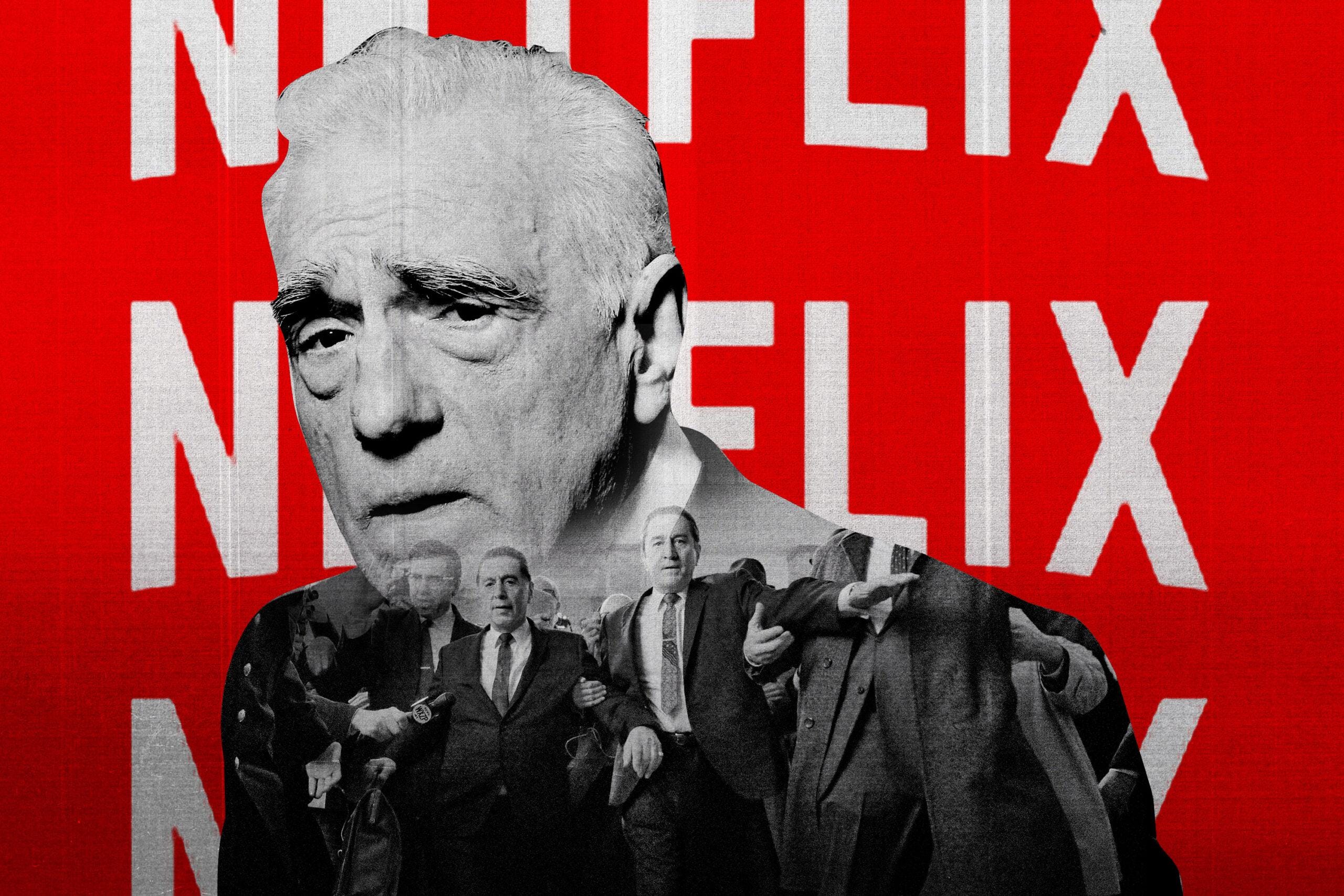
As streamers consolidate into a handful of players, directors pitch to fewer and fewer companies, each running some version of the same optimization. The auteurs who got their films greenlit inside Netflix made real things, some of them extraordinary, and that window was real while it lasted.
What the Warner Bros. deal's closing reveals is less comfortable. The theatrical system that once created the conditions for auteur filmmaking isn’t coming back, and nothing replacing it has figured out how to value what that system was producing.
Maybe a new model emerges that funds ambition without demanding it prove itself first.
Maybe the next generation simply learns to make films the algorithm rewards, and we stop noticing what we lost.
Either way, the machine keeps running. It just answers to a dashboard now.